Rotator cuff injuries are one of the most common causes of shoulder pain, especially among active individuals, older adults, and anyone who performs repetitive arm movements for work or sports. These injuries can range from mild inflammation to significant tendon tears, and symptoms can significantly affect quality of life and daily activities.
What Is the Rotator Cuff?
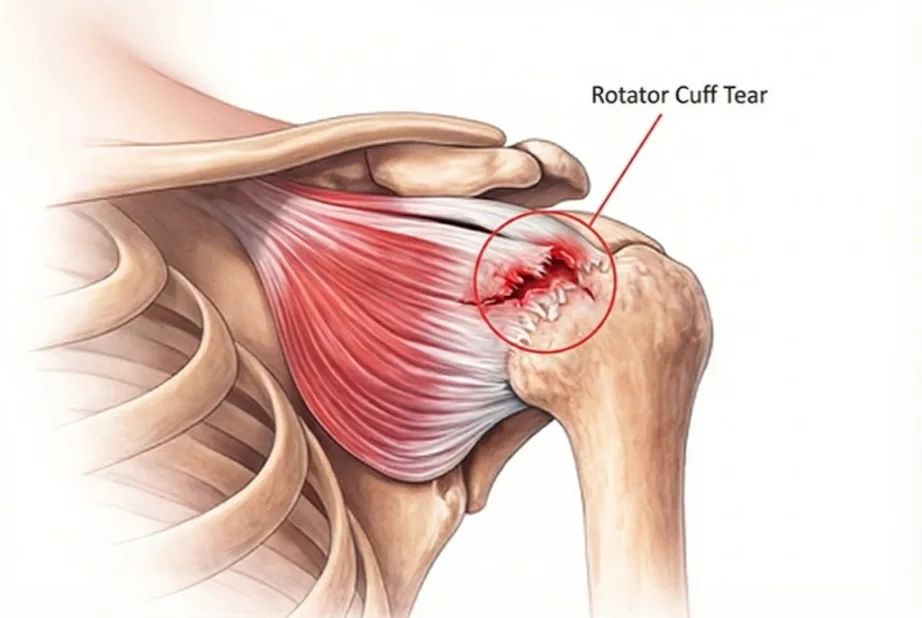
The rotator cuff is a group of four muscles and tendons that stabilise the shoulder joint and allow you to lift and rotate your arm. These include:
- Supraspinatus
- Infraspinatus
- Teres minor
- Subscapularis
When one of these tendons becomes irritated or torn, it can lead to pain, weakness, and reduced range of motion, affecting activities of daily living and even sleep.
Common Types of Rotator Cuff Injuries
Rotator cuff injuries can occur gradually from wear-and-tear, or suddenly from trauma such as a fall or lifting something heavy. Common types of rotator cuff injuries include:
Tendonitis
Irritation and inflammation of the rotator cuff tendons, often caused by repetitive use or strain.
Bursitis
Inflammation of the bursa (the small fluid-filled sac that cushions the shoulder joint) leading to pain and restricted movement.
Partial Tear
Damage to the tendon fibres without a complete tear, which may cause pain and weakness but still allows some function.
Full-Thickness Tear
A complete tear of the tendon, often resulting in weakness and difficulty lifting or rotating the arm.
Symptoms of Rotator Cuff Injury
You may have a problem with your rotator cuff if you experience:
- Pain in the shoulder, especially when lifting the arm
- Weakness or fatigue when using the shoulder
- Difficulty raising the arm overhead
- Pain when lying on the affected shoulder
- Limited range of motion or a “catching” sensation
Pain may worsen with activity or during the night, affecting one’s sleep.
Can Rotator Cuff Injuries Heal on Their Own?
The answer depends on the type and severity of the injury, as well as individual factors such as age, activity level, and overall shoulder condition. Here are answers for some specific types of rotator cuff injuries:
Tendonitis & Minor Partial Tears
Some cases of tendonitis and minor partial tears may improve with conservative care, especially if the injury is mild. Rest, physiotherapy, and activity modification often help the tendon recover over time.
Full-Thickness or Larger Tears
These usually do not heal on their own. The tendon cannot re-attach or regenerate by itself once fully torn and can retract away from its bony attachment site with time. Without treatment, the tear may enlarge and shoulder function may decline over time.
Factors That Influence Rotator Cuff Tear Healing
Not all rotator cuff injuries heal in the same way. Understanding the factors that affect your healing process can help set realistic expectations and guide the most appropriate treatment plan. Below are some of the most important factors to consider:
Age
Degeneration of the rotator cuff tendons increases with age, making healing more challenging.
Tear size
Larger tears are less likely to heal.
Duration of symptoms
Long-standing or chronic tears generally respond less effectively to conservative treatment, especially if associated with poor muscle quality.
Activity level
Individuals who are very active, such as athletes or those with physically demanding jobs, may require earlier intervention.
Overall shoulder health
Co-existing conditions such as inflammation, arthritis or Diabetes can affect healing and treatment outcomes. Smoking is also associated with poorer outcomes.
Treatment Options for Torn Rotator Cuff
Treatment depends on the severity and impact of symptoms. Management options may include:
Conservative Management
- Physiotherapy
- Rest and activity modification
- Ice and anti-inflammatory medication (if appropriate)
- Strengthening and flexibility exercises
- Injection therapy (if clinically appropriate)
This approach is often effective for tendonitis and mild tears.
Surgical Treatment
Surgery may be considered when:
- There is a full-thickness or large tear
- Conservative management does not improve symptoms
- Persistent pain affects daily life or sleep
- Loss of strength limits function
- The tear is acute and caused by a traumatic injury
Surgery typically involves repairing the tendon and may be performed using minimally invasive techniques where suitable.
What to Expect During Rotator Cuff Injury Recovery
Recovery timelines vary. For tendinitis and minor rotator cuff injuries, patients can improve over weeks to months with physiotherapy.
After surgery, rehabilitation is usually needed to restore strength and function, and recovery may take several months depending on the extent of the repair and underlying quality of the rotator cuff tendon.
Rotator Cuff Injury Home Care Tips
While awaiting medical review or during recovery, these may help:
- Reduce overhead or repetitive strain movements
- Apply ice if there is swelling or pain
- Maintain gentle range-of-motion exercises as advised by a professional
- Sleep on the opposite side or use a pillow under the arm for support
When Should You See a Doctor for Rotator Cuff Injuries?
Seek medical advice if you experience:
- Persistent shoulder pain lasting more than 2–4 weeks
- Sudden shoulder weakness after an injury
- Difficulty raising the arm
- Night pain that disrupts sleep
- Progressive loss of strength or motion
Early evaluation can help determine the most suitable approach and prevent long-term functional issues. If you are experiencing shoulder pain or reduced function, consider consulting one of our shoulder specialists for assessment and personalised treatment recommendations.