care & surgery

Knee Cartilage Damage and Treatment

chirurgie-cartilagineuse-du-genou-dr-paillard-paris

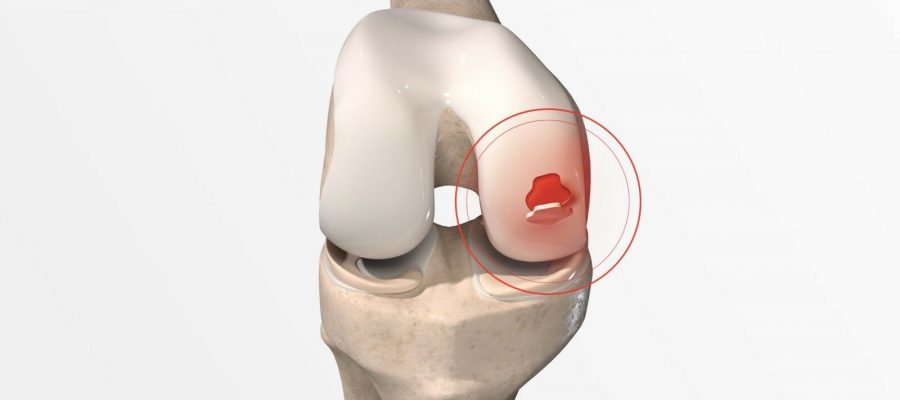
Knee cartilage damage is an injury to the smooth layer that covers the ends of the bones in the knee. It can come from a twist, a fall or a dislocated kneecap, or develop from wear. It causes pain on loading, swelling and catching. Because cartilage heals poorly, a large defect can lead to arthritis if it is not treated.

What does knee cartilage do?

Joint (articular) cartilage lets the bones glide over each other with very little friction and spreads load across the joint. It has no blood supply, which is why damaged cartilage rarely heals on its own.

What causes cartilage damage in the knee?

  • A twisting injury in sport, often together with an ACL or meniscus tear
  • A direct fall onto the knee
  • A dislocated kneecap, which can chip the cartilage behind it
  • A bowed or knock-kneed leg overloading one side of the knee
  • Gradual wear with age, which becomes osteoarthritis

What are the symptoms?

  • Pain when walking, on stairs or after sport
  • Swelling after activity
  • Catching, clicking or locking if a loose fragment moves in the joint
  • Stiffness

How is it diagnosed?

An MRI scan shows the size, depth and position of a cartilage defect, and any damage to the bone underneath. X-rays check alignment and whether arthritis is already present. Sometimes the full extent is only seen at keyhole surgery.

What are the treatment options for knee cartilage damage in Singapore?

Small defects that cause few symptoms are treated with exercise, weight control and sometimes injections. Larger or painful defects may be repaired with techniques such as microfracture, transfer of healthy cartilage plugs, or growing your own cartilage cells, sometimes with a realignment of the leg. Your surgeon will explain which suit your knee.

TreatmentHow it worksSuits
Strengthening, weight control, injectionsReduces load and painSmall or low-symptom defects
Removing loose fragmentsKeyhole removal of pieces that catch or lockMechanical catching or locking
Scaffold-based cartilage repairUses a scaffold, growth factors and autologous source of cells to promote new cartilage formation at the defect siteSmall to medium defects
Osteochondral transfer (OATS / mosaicplasty)Plugs of healthy cartilage and bone are moved into the defectSmall to medium defects in younger patients
Autologous chondrocyte implantation (ACI)Your own cartilage cells are grown in a laboratory and implantedLarger defects
OsteotomyRealigns the leg to unload the damaged areaDefects caused or worsened by a bowed or knock-kneed leg

Dr Hamid Razak was awarded the International Cartilage Regeneration & Joint Preservation Society Clinical Travelling Fellowship in 2023, visiting European centres that specialise in cartilage repair. See also the knee preservation approach.

Does knee cartilage grow back?

Not by itself in adults. Cartilage repair procedures either stimulate repair tissue or transplant cartilage, and the repair needs months of protected rehabilitation to mature.

How long is recovery after cartilage surgery?

Most cartilage repairs need 6 weeks on crutches with limited weight on the leg, and 9 to 12 months before return to impact sport. Total Orthopaedic will refer you to a physiotherapist for your rehabilitation.

Your knee surgeon: Dr Hamid Razak

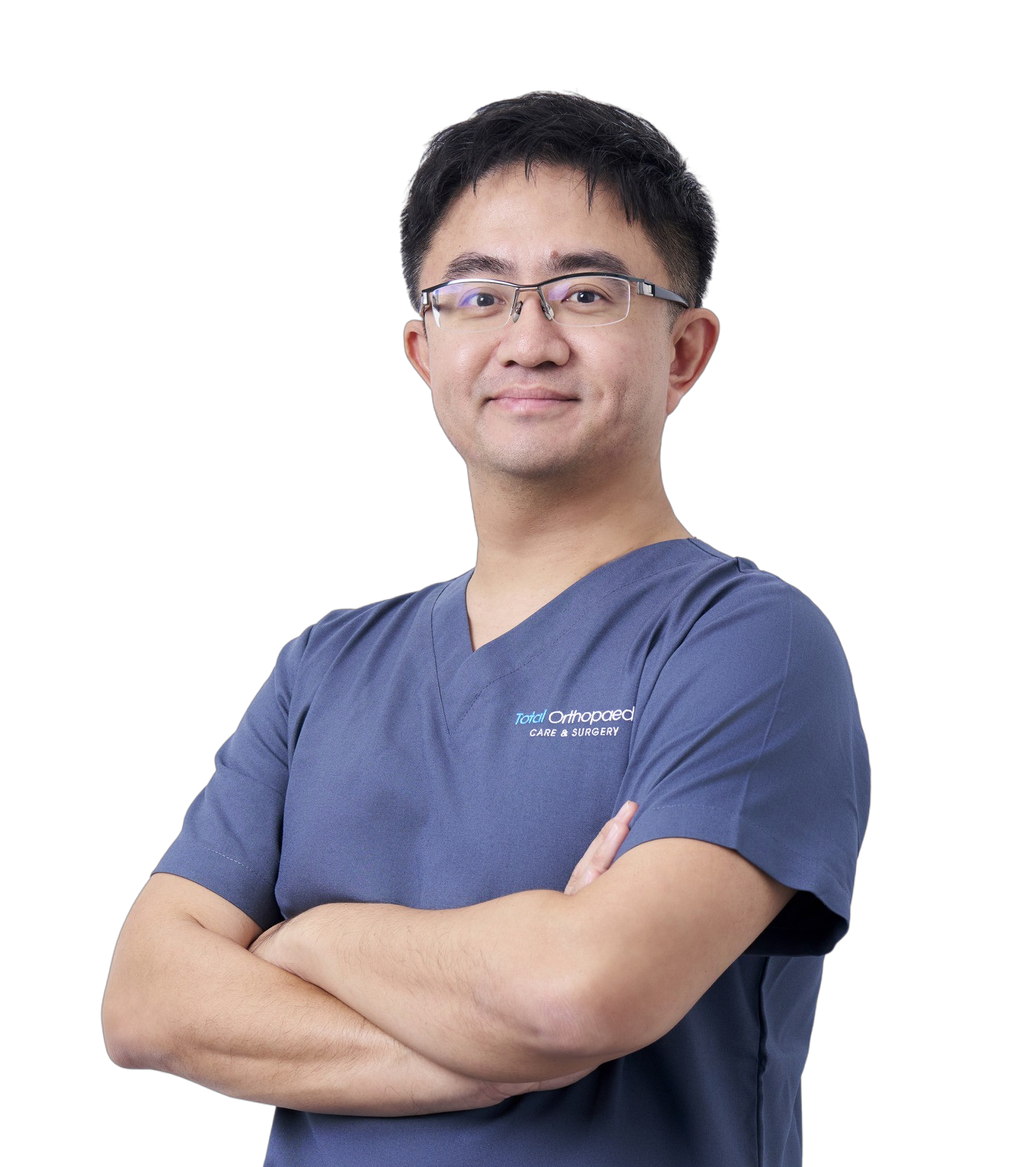
Dr Hamid Razak, Consultant Orthopaedic Surgeon

Consultant Orthopaedic Surgeon with over 17 years of experience. MBBS (NUS), MMed (Ortho Surg), FRCSEd (Orth), FRCSGlasg (Tr & Orth), FAMS (Orth Surg). Dr Hamid led the Sports & Joint Preserving Osteotomy Service at Sengkang General Hospital and is an Adjunct Associate Professor at Duke-NUS Medical School. He is a founding member and vice-president of the Singapore Knee Preservation Society, and operates at Mount Elizabeth Novena and Gleneagles Hospitals. Read Dr Hamid’s profile

To book a knee consultation, contact Total Orthopaedic. No referral is needed. The clinic sees patients in Novena, Orchard, Gleneagles and Tampines.

Medically reviewed by Dr Hamid Razak. Last updated October 2026. This page is general information and does not replace a consultation.